The Duskbloods Pre-Release Archetypes
Trailer-informed speculation—not confirmed class names or stats
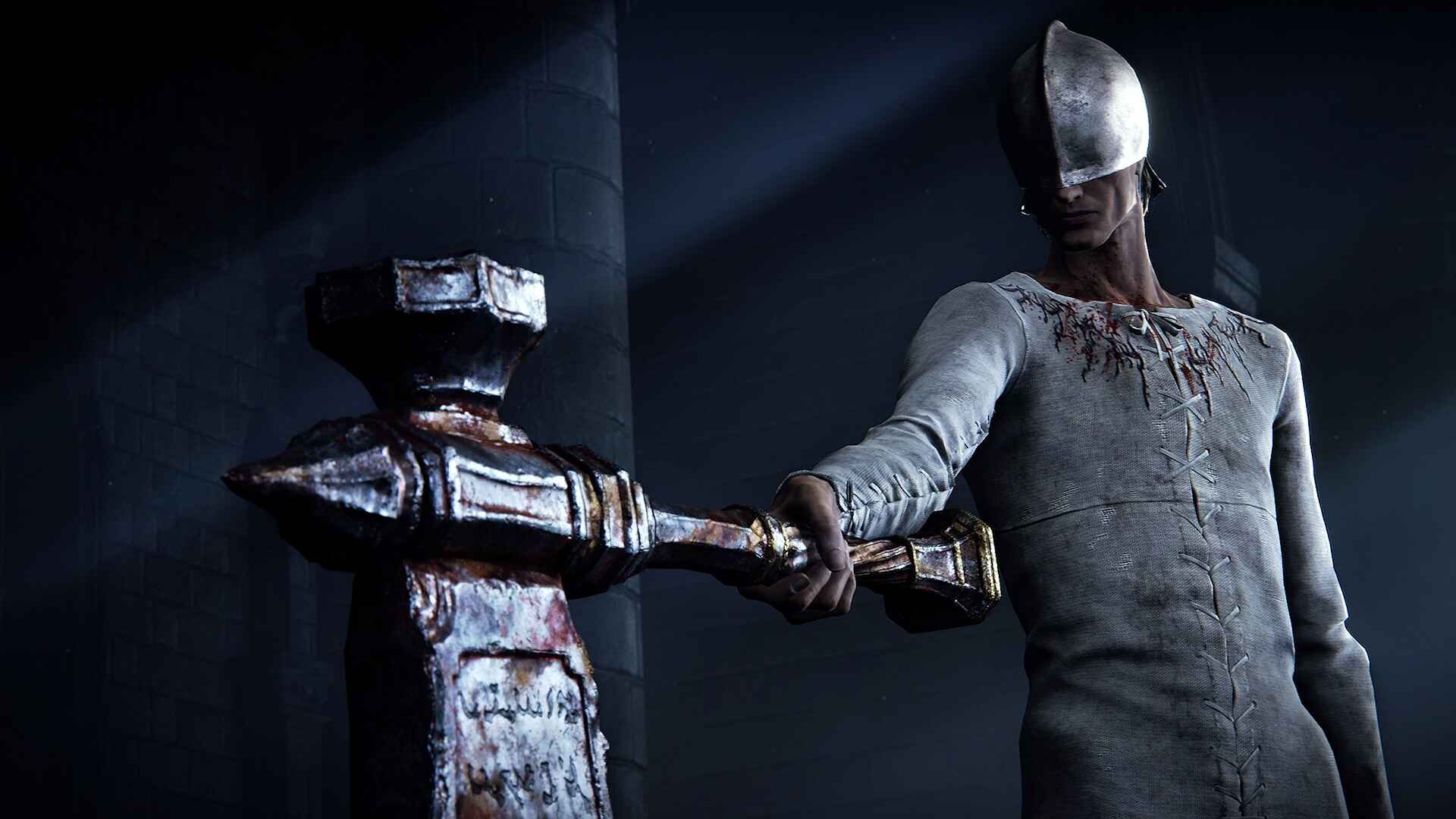
FromSoftware has not published a final class roster or stat sheet for The Duskbloods ahead of its planned 2026 launch on Nintendo Switch 2. What follows is labeled speculation: archetype sketches inferred from official trailers, Nintendo Direct footage, and Hidetaka Miyazaki’s stated PvPvE direction. Use them to organise Closed Network Test notes—not as confirmed tier placements. Return to the Tier List hub for the evaluation framework and Builds hub for loadout planning without invented numbers.
How to read these archetypes
Each section describes a play pattern you might encounter or experiment with during eight-player Bloodsworn matches. Names here are wiki shorthand, not official in-game labels. Strength depends on map lane, role pairing (Destined Rivals versus Destined Companion), Victory Point timing, and First Blood contests. Mark observations as Confirmed, Likely, or Unknown after you play the August 21–23, 2026 CNT.
Melee pressure archetype (speculative)
Trailer basis: close-quarters exchanges in cobbled courtyards, heavy swings, and aggressive pursuit toward objectives.
Likely strengths: wins scrappy duels when Destined Rivals must claim space near a contested Victory Point; punishes reload windows if firearm users misposition in Victorian alleys.
Likely weaknesses: overextension when dynamic events pull the lobby across early-modern rail platforms or open yards; vulnerable to coordinated focus fire from multiple Bloodsworn.
Role fit: natural Destined Rivals bias, though a Destined Companion with melee peel tools—if present—could protect allies during First Blood attempts.
CNT questions to answer: Does heavy attack armor exist? Are there weapon skills on cooldown tied to blood history? How does hub customisation amplify melee reach or stamina?
Firearm skirmisher archetype (speculative)
Trailer basis: rifles, pistols, and mid-range aim in mixed interior/exterior gothic spaces.
Likely strengths: controls sightlines on maps with long alleys and train-era platforms; chips rivals before melee closers arrive; may secure First Blood from safer angles if objectives spawn in open ground.
Likely weaknesses: reload or swap animations may be punishable in tight cathedral interiors; Nintendo Switch 2 gyro or stick aim sensitivity could affect consistency handheld versus docked.
Role fit: flexible—Rivals can duel at range; Companions might use suppressive fire to cover revives or objective channeling if such mechanics exist.
CNT questions: Are there dedicated aim-down-sights controls? Do firearms share ammo pools with special abilities? How does PvEvE pressure interact with line-of-sight?
Mobility/flank archetype (speculative)
Trailer basis: vertical movement hints, rapid repositioning between Victorian rooftops and street level, and eight-player lobbies that imply constant rotation.
Likely strengths: steals Victory Points when teams tunnel on central fights; escapes bad First Blood commits; rotates to support a Destined Companion anchor on the opposite map side.
Likely weaknesses: if mobility tools are cooldown-gated, whiffed engages leave you out of team fights when events stack; low sustain builds may crumble under PvEvE waves shown in marketing.
Role fit: often Rivals, but Companions with rescue mobility—if confirmed—could redefine support tiers on large maps.
CNT questions: Is there a dedicated dodge or sprint resource? Do trains or trams move during matches? Are flanks limited by invisible walls or hazard damage?
Support and objective anchor archetype (speculative)
Trailer basis: Destined Companion role marketing, team framing in PvPvE, and hub customisation implying long-term Bloodsworn identity beyond a single duel.
Likely strengths: stabilises squads during Victory Point captures; may counter burst damage from rival duellists; enables comeback plays when First Blood rules reward sustained map control instead of one elimination.
Likely weaknesses: low individual carry potential in solo-queue tests if teammates do not coordinate; may feel weak on paper in fragmentary highlight reels that favor kills.
Role fit: aligned with Destined Companion; pair with a melee or firearm Rivals partner for clear front/back line division.
CNT questions: What companion abilities are on cooldown versus passive? Can you respec blood history between test sessions? Does Nintendo Switch Online voice chat change coordination needs?
Hybrid weapon-switch archetype (speculative)
Trailer basis: Bloodsworn carrying both melee and firearms, sometimes in the same engagement sequence.
Likely strengths: adapts to gothic indoor rooms and early-modern outdoor lanes without returning to hub; confuses opponents who pre-read single-range kits.
Likely weaknesses: higher mechanical ceiling on Switch 2 controls until official layouts are published; may spread hub investment thin if upgrades are role-locked.
Role fit: either role depending on whether hybrids skew toward kill pressure or utility.
Putting archetypes into your tier framework
After each CNT session, map your build to one or two patterns above and score them using the Tier List hub axes. Avoid merging unrelated clips into a single “S-tier montage.” Cross-check findings with how to use roles and what to expect from Bloodsworn. When official names arrive, this page will be rewritten around confirmed kits and retired speculation blocks.
Frequently Asked Questions
Quick answers drawn from official Network Test and Creator’s Voice details.
Are these official class names in The Duskbloods?
No. Labels like "melee pressure" or "firearm skirmisher" are wiki shorthand based on trailer cues. FromSoftware may use different terminology at launch.
Can one Bloodsworn cover multiple archetypes?
Likely yes—hub customisation and weapon loadouts may blur lines. Treat archetypes as lenses for note-taking, not rigid boxes.
Which archetype is best for First Blood?
Unknown until CNT rules are fully observed. Rivals-focused melee or skirmisher patterns may have an edge in duels, but Victory Point events could favor anchors or flankers instead.
Will this page assign letter tiers to archetypes?
Not until reproducible balance data exists. Use Strong/Stable/Weak/Unknown ratings from the Tier List hub rather than premature S/A/B labels.
Do archetypes differ between Switch 2 handheld and docked?
Mechanically they should not, but aim-dependent firearm archetypes may *feel* different due to screen size and control comfort—track both modes in your notes.