The Duskbloods Bloodsworn Roles
Hunt your Destined Rival or seek your Destined Companion for rewards beyond raw eliminations.
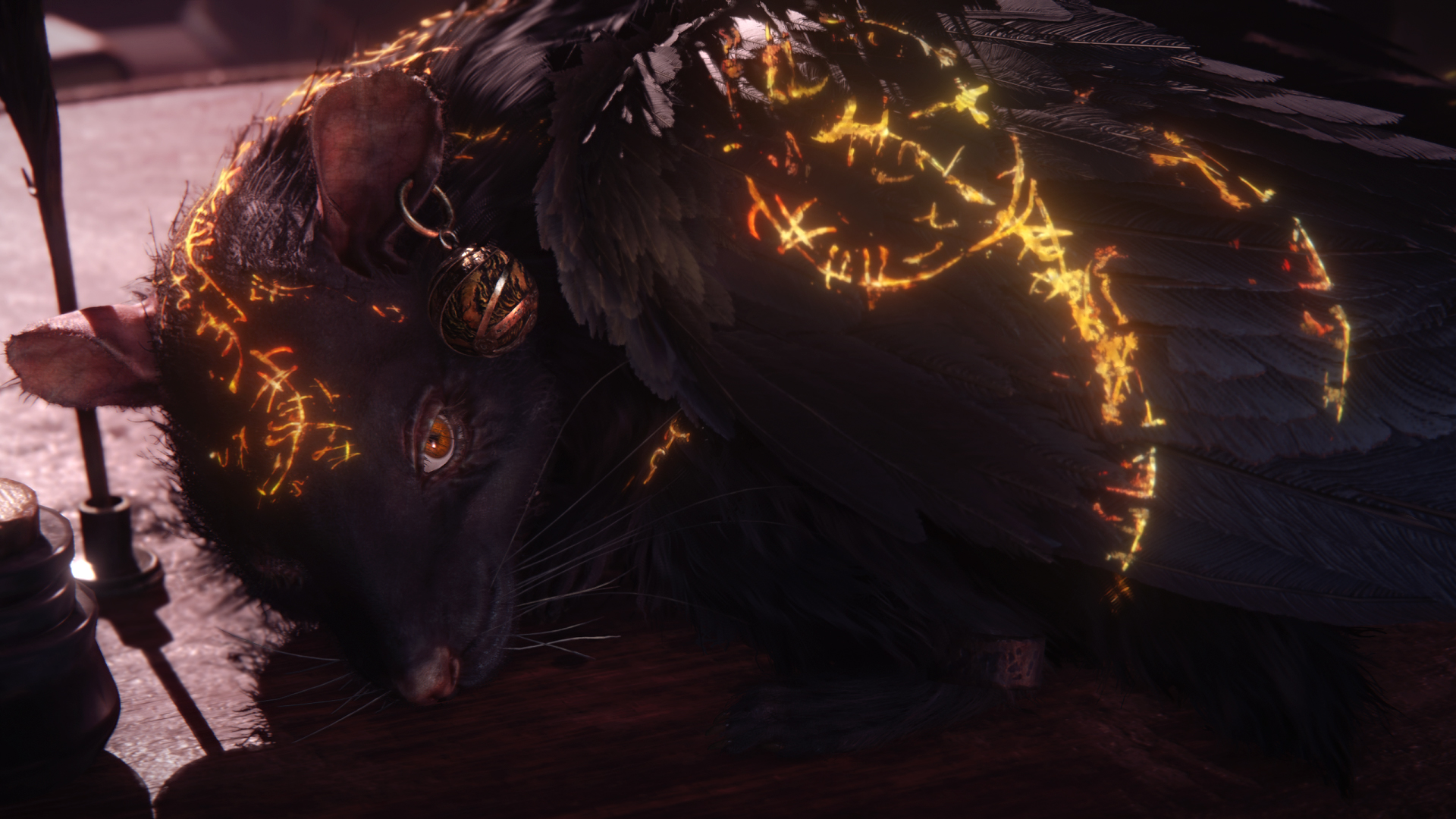
Bloodsworn in The Duskbloods are not anonymous avatars in a pure deathmatch. Official descriptions of the Twilight of Humanity frame each warrior as a figure with blood history, fate, and roles that other players can read and respond to. Two role types have been named publicly: Destined Rivals and Destined Companion. They sit alongside—not instead of—core PvPvE goals like Victory Points and First Blood. Understanding roles early helps you interpret why a match suddenly turns personal, and why two players might truce while the rest of the lobby burns.
Why roles exist in a PvPvE game
FromSoftware’s multiplayer pitch blends player elimination, environmental threats, and shifting objectives. Roles add a social layer: your customisation choices can mark you as someone’s designated rival or potential ally. That design fits Miyazaki’s stated interest in transient alliances and bitter rivalries during Dusk Battles. You are still competing for First Blood at the end of humanity, but the path there can include directed drama—find and defeat a specific opponent, or locate a specific partner for a special payout.
Roles connect directly to Blood history and fate decisions made in the hub. If you skip that system and rush into queue, you may miss prompts or rewards tied to your identity. For the broader match rules that roles plug into, read PvPvE and First Blood.
Destined Rivals
A Destined Rival objective tasks you with finding and defeating a designated rival Bloodsworn—another player whose identity your role logic has flagged. Think of it as a bounty woven into the fiction: the Twilight summons warriors who already share blood grudges across time.
In practice, rival hunts encourage target prioritisation. You might pass up a safer kill on a wounded stranger to chase your rival before they extract value from a dynamic event. Rivals also create readable stories for spectators and streamers: two names become the spine of a match even when six other players and PvE threats swirl around them.
What we do not know from public materials alone is whether rival designation is fully symmetric, hidden until revealed, or influenced by hub choices only. Treat Network Test impressions as provisional. When the Closed Network Test runs, note whether rival markers appear on the HUD, map, or only through emote-like communication—then update your Controls notes accordingly.
Destined Companion
Destined Companion flips the script: instead of hunting a named enemy, you seek a designated ally to unlock a special reward. Companion play rewards coordination in a mode that otherwise incentivises betrayal. Two Bloodsworn who recognise their paired fate might cooperate through a boss phase, share map intel, or escort each other to an event trigger—then still have to reconcile the fact that only one First Blood winner may remain.
Companion objectives are ideal for players who enjoy negotiation more than pure aim duels. They also interact with dynamic events that reshape the arena: a companion pair that arrives together at a stone-face event may gain more than a solo player who arrived first but lacked backup.
Again, avoid inventing numeric bonuses. Official copy promises a special reward, not a confirmed stat table. Document what you observe during the Network Test and compare with Guides as the community verifies behaviour.
Roles versus Victory Points and eliminations
Roles do not replace the scoring spine described in gameplay materials. Victory Points still decide many outcomes, and last-player-standing remains a common structure. Some matches may instead pivot on boss defeat or event completion. Roles are parallel threads: fulfilling a rival kill or companion rendezvous may grant VP, items, or fate progress even when you are not the final survivor.
That layering matters for Builds. A loadout tuned only for duel burst may fail when your run hinges on surviving long enough to find a companion across a train yard or gothic quarter. See Early build ideas for prep frameworks that stay honest about unknown numbers.
Practical prep before the Network Test
Start in the Bloodsworn hub to pick a character whose weapons and summon entity fit how you want to engage roles—mobile trackers for rival hunts, sturdy defenders for companion meetups. Read Hub customisation so your blood history does not accidentally paint a target on your back in the first session.
During CNT, log one match where you pursue a rival and one where you seek a companion. Compare outcomes on the Tier List hub only after multiple players reproduce the same reward paths—never rank roles using fabricated DPS.
Map and mode awareness
Roles play differently on Maps that mix Victorian gothic streets with early-modern set pieces like the train sequence shown in reveal footage. Long sightlines favour gun-bearing Bloodsworn; cramped alleys favour melee and entity summons. Review coverage after hands-on time will stress which roles feel fair on each layout.
If you are applying for the Closed Network Test, confirm eligibility and session windows on Network Test before you theory-craft role strategies you cannot yet execute.
Frequently Asked Questions
Quick answers drawn from official Network Test and Creator’s Voice details.
What is a Destined Rival in The Duskbloods?
A **Destined Rival** role directs you to find and defeat a **designated rival** Bloodsworn—another player tied to your fate setup. It adds a personal objective on top of broader PvPvE win conditions.
What does Destined Companion do?
**Destined Companion** asks you to locate a **designated ally** player and team up for a **special reward**. It encourages temporary cooperation in an otherwise competitive mode.
Can I ignore roles and still win?
Official materials emphasise Victory Points, eliminations, and alternative win paths like boss defeats. Roles appear to be **optional parallel goals** with their own rewards—exact penalties for ignoring them are not fully documented pre-launch.
Are roles chosen in the hub?
Roles connect to **blood history** and **fate** customisation described for hub play. See [Blood history and fate](/bloodsworn/blood-history-fate/) for how characteristics and appearance choices may feed rival or companion pairing.
Do roles work in eight-player matches?
Online matches support **up to eight** Bloodsworn. Role objectives likely scale with lobby size, but confirm markers and rewards during the Closed Network Test rather than assuming behaviour from other PvPvE games.