The Duskbloods Duskbloods vs Elden Ring Nightreign
Same studio, shared hub-match rhythm — different conflict rules, platforms, and victory fantasies.
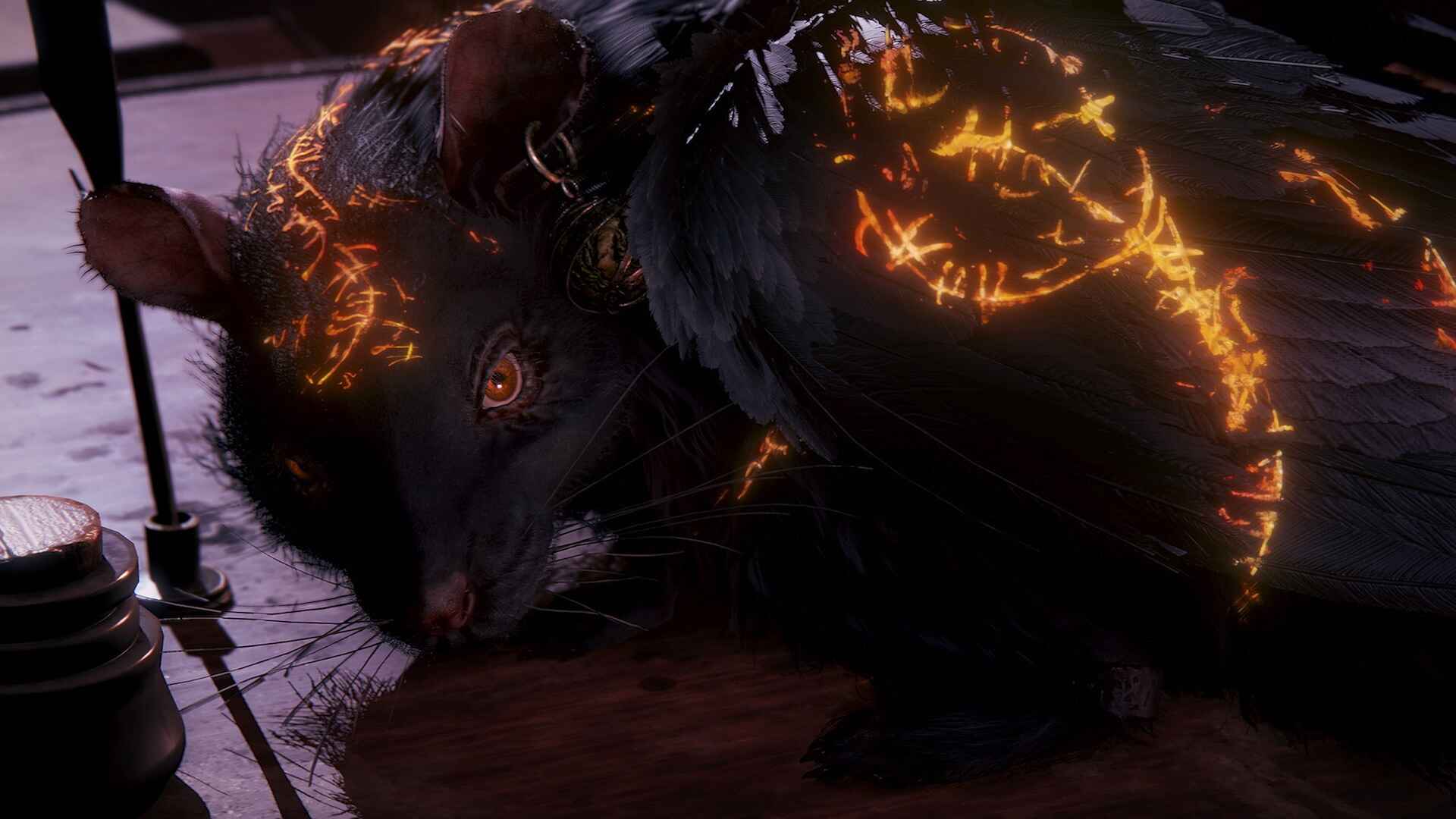
Fans keep asking the same preview question: if you already played Elden Ring Nightreign, how different is The Duskbloods? Both projects come from FromSoftware, both use a hub → match → rewards loop, and both leaned on network tests before wider release. The similarities end quickly once you examine conflict rules, player count, platform strategy, and what “winning” means. This preview comparison stays grounded in official Creator’s Voice remarks and public marketing—no invented review scores for an unreleased Switch 2 exclusive.
Snapshot comparison
| Axis | The Duskbloods | Elden Ring Nightreign |
|---|---|---|
| Platform focus | Nintendo Switch 2 exclusive | Multiplatform Elden Ring expansion path |
| Core conflict | PvPvE — rivals plus environment | Primarily cooperative PvE |
| Lobby size (public pitch) | Up to eight Bloodsworn | Smaller co-op parties (commonly three) |
| Victory fantasy | First Blood / Victory Points / LMS or boss paths | Shared expedition success and survival |
| Social tone | Transient alliances, betrayal, roles | Coordinated teamwork |
| Setting | New IP — Twilight of Humanity | Elden Ring universe |
| Status (this wiki’s window) | Upcoming 2026, CNT Aug 21–23, 2026 | Already past its own test/launch cycle relative to Duskbloods CNT |
Use the table as orientation, then read the sections below before deciding which fantasy you want on a weeknight.
Conflict rules: PvPvE versus co-op pressure
Nightreign asks a party to survive shared PvE pressure. Teammates are assets; enemy density and expedition structure are the antagonists. The Duskbloods asks up to eight Bloodsworn to share a map where other players are antagonists even while CPU threats still punish greed. Miyazaki’s Creator’s Voice framing is explicit: the title is PvPvE, and Victory Points can come from opportunistic play as well as duels.
That difference rewrites muscle memory. Nightreign habits—stacking damage on a world boss, trusting pings, committing resources for the team—can get you third-partied in a Duskbloods lobby. Conversely, pure battle-royale tunnel vision fails when a dynamic event or boss finisher pays more than your current duel. Read Victory Points before assuming Nightreign scoreboard instincts transfer.
Victory conditions and the meaning of “First Blood”
Nightreign expeditions resolve around cooperative success metrics familiar to roguelike-co-op fans. The Duskbloods centres First Blood during the Twilight of Humanity—a ritual prize wrapped in moontears marketing—implemented through VP, last-player-standing formats, and alternate boss-driven endings. You can finish a match feeling like you “did the PvE correctly” and still lose the ritual if rivals outscore you.
Roles deepen the gap. Destined Rivals and Destined Companion objectives, seeded from blood history and fate, create private win conditions inside the public lobby. Nightreign does not ask you to assassinate a designated rival while your co-op partners expect loyalty. For role literacy, see Bloodsworn roles and How to use roles.
Characters and combat cadence
Both games offer distinct playable identities with abilities that shape a run. Nightreign’s classes live inside Elden Ring’s combat grammar. Duskbloods Bloodsworn lean into dynamic traversal, universal ranged options including firearms, and summoned entities—a more explicitly hybrid action fantasy. Miyazaki also stresses romantic, non-grotesque blood power rather than cosmic-horror beast transformation.
If you loved Nightreign’s melee teamwork but disliked PvP anxiety, Duskbloods may feel hostile. If you wanted FromSoftware gunplay, vertical movement, and betrayal tension, Duskbloods is closer to the pitch. Character hubs: Bloodsworn, combat feel: Movement and combat, summons: Summons.
Platform and online expectations
The Duskbloods is a Switch 2 story. Creator’s Voice explains a pivot from original Switch development specifically to preserve online ambition. Nightreign’s audience conversation usually includes PC and home-console performance baselines. Comparing “which feels smoother” before Duskbloods CNT footage exists is speculation this wiki refuses to publish.
What is fair to state now:
- Duskbloods online features need Nintendo Switch Online plus a linked Nintendo Account.
- The Closed Network Test is a limited, invitation-first load test with five four-hour windows on August 21–23, 2026, preload from August 18, selection messaging on August 7.
- CNT save data does not carry to retail.
Nightreign’s network test taught observers that FromSoftware ships scoped slices—fewer classes, limited bosses, temporary balance. Expect Duskbloods CNT to be similarly incomplete even though marketing promises over a dozen Bloodsworn later. Prep pages: Network Test, Guides hub, CNT checklist.
Progression loops that look alike on paper
Hub → match → rewards → customize appears in both designs. The emotional payload differs. Nightreign rewards reinforce cooperative mastery and expedition variance. Duskbloods rewards, per Miyazaki, arrive whether you win or lose, then feed hub customisation that can alter future roles and fate paths. Losing a Nightreign run often feels like a team failure; losing a Duskbloods match may still advance cosmetic or role experiments while teaching VP routes.
Do not assume identical grind curves, season passes, or relic systems. Those details remain unconfirmed for Duskbloods retail.
Who should prefer which game
Lean Nightreign-like expectations if you want
- Cooperative PvE as the default social contract
- Elden Ring lore continuity
- Party-focused boss learning without mandatory player betrayal
Lean Duskbloods if you want
- Eight-player tension with PvE as a third actor
- First Blood / VP scoring that rewards opportunistic paths
- Switch 2 exclusivity and Nintendo online integration
- Role-driven rival and companion drama on top of the match
Many players will enjoy both for different nights. The mistake is buying or applying for Duskbloods CNT while expecting Nightreign’s trust model.
Open questions this comparison cannot answer yet
- Netcode feel at eight players with guns, summons, and AI
- Whether Duskbloods ever offers meaningful solo practice spaces
- Long-term content cadence versus Nightreign’s post-launch support
- How harshly CNT NDAs limit public tier discourse after August sessions
When those answers appear, update this page from verified hands-on notes—not from rivalry memes. Broader preview context lives on the Review hub; interview primary source notes on Creator’s Voice; timeline on News.
Related reading
- Review hub — preview caveats and Bloodborne comparisons
- Gameplay hub — VP, events, PvPvE rules
- What to expect from Bloodsworn — character fantasy without fake stats
- How to play PvPvE — first-lobby practical flow
Frequently Asked Questions
Quick answers drawn from official Network Test and Creator’s Voice details.
Is The Duskbloods just Nightreign on Switch 2?
No. Nightreign is cooperative PvE in the Elden Ring universe. The Duskbloods is a new-IP PvPvE game with up to eight players competing around Victory Points and First Blood.
Do both games use a hub and match loop?
Yes at a high level. Both return players to a hub for rewards and loadouts, but Duskbloods matches centre rival conflict plus environment threats.
Which game is better for players who hate PvP?
Nightreign’s co-op fantasy is closer. The Duskbloods expects you to manage other players as threats even when bosses and events appear.
Can Nightreign CNT lessons predict Duskbloods CNT scope?
Only loosely. FromSoftware tests are often limited slices. Expect missing roster pieces and temporary balance—not a miniature retail build.
Where should I go next on this wiki?
Read [Creator's Voice](/news/creators-voice/) for design intent, [Victory Points](/gameplay/victory-points/) for scoring, and [Network Test](/network-test/) for August 2026 access steps.