The Duskbloods Movement and Combat
Dynamic traversal and weapon freedom that define how Bloodsworn fight during the Twilight of Humanity.
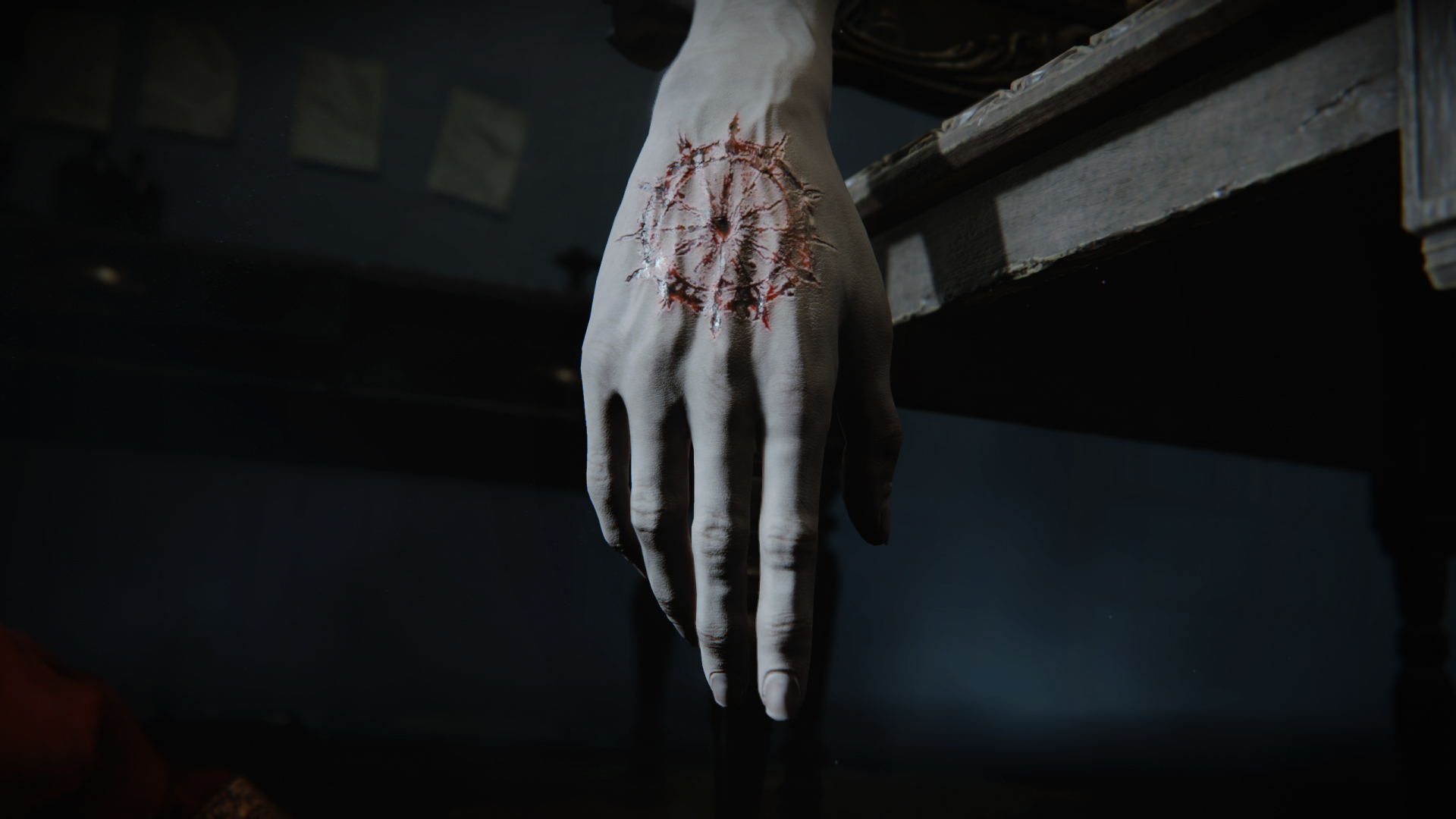
The Duskbloods is not a cover-shooter where every Bloodsworn shares the same locomotion template. In the Creator’s Voice presentation and follow-up interviews, Hidetaka Miyazaki emphasised dynamic movement—including sprint, super jump, and double jump—alongside unique weapons that span melee kits and firearms. Combat is described as free and creative, meaning your loadout and traversal choices combine rather than forcing you into a single optimal rotation. Because the game remains upcoming for Nintendo Switch 2 in 2026, this page organises confirmed design intent without inventing frame data or damage tables the Closed Network Test has not published.
Dynamic movement: sprint, super jump, double jump
Official footage shows Bloodsworn crossing gothic rooftops and early-modern train yards with verticality that standard walkspeed alone cannot explain. Sprint extends map rotation speed so you can reach dynamic events—such as the giant stone face—before reward windows close. Super jump and double jump add mid-air correction: you can leap gaps between Victorian facades, reposition after a missed rifle shot, or escape third-party pressure when Victory Points favour survival over a doomed duel.
Movement tech interacts with every other pillar. A rival hunt from Roles becomes feasible when you can super jump onto a railcar while your target reloads below. Companion meetups during PvE spikes benefit from double-jump escapes when adds swarm a narrow alley. Treat mobility as a resource like ammo: burning jumps early leaves you grounded during the final last-player-standing scramble described in gameplay materials.
Because Switch 2 is the target platform, confirm comfort settings during the Closed Network Test—camera sensitivity, invert options, and whether sprint toggles or holds. Document findings in Controls once the build is live.
Unique weapons and firearms
Reveal media showcases Bloodsworn with distinct weapon identities—not reskins of one assault rifle. Some warriors favour blades and blood rites; others carry firearms with clearly different handling. Miyazaki has stressed that weapons are tied to character fantasy rather than generic class slots, which aligns with the roster promise of more than twelve unique fighters on the Bloodsworn hub.
Firearms imply space control on Maps that mix cramped gothic streets with open train platforms. Melee-heavy kits likely excel in vertical flanks after a double jump, while gunners punish predictable landing arcs. Without public TTK numbers, describe roles instead: breach specialists, mid-range controllers, hybrid gun-and-blade fighters.
Weapon choice also feeds hub identity. Blood history and fate may modulate characteristics around your base kit, but the core weapon silhouette remains readable to opponents—a necessity when eight players share a Twilight arena.
Free creative combat
Free creative combat is Miyazaki’s shorthand for a system that rewards experimentation over rigid combo scripts. You combine movement tools, primary weapons, and—on every character—an entity summon documented on the Summons page. A fight might open with sprint pressure, transition into a super jump flank, drop a summon to zone an approach, then finish with a firearm burst or melee execute.
Creative combat does not mean chaos without readability. FromSoftware’s PvPvE pitch still tracks Victory Points, eliminations, and alternate win paths like boss defeat. Overcommitting to stylish movement when an event doubles VP rewards is a scoring mistake, not a mechanical flex. Read PvPvE rules alongside this page so you know when aggression pays.
Movement on gothic and early-modern maps
Trailer layouts blend gothic and Victorian architecture with early-modern set pieces—train sequences appear repeatedly. Vertical layers reward double jumps; long sightlines reward sprint repositioning between cover nodes. PvE adds may spawn on rooftops unreachable without super jump, forcing players who ignore movement tech to cede event value.
Map literacy matters before callouts exist. Study Maps for structural vocabulary: where trains create mobile high ground, where cathedral quarters funnel third parties, where stone-face events likely centralise traffic.
Pairing combat with social objectives
Destined Rivals and Destined Companion objectives assume you can find other players across 3D space. Movement tech is therefore social: catching a rival before they sprint into an event steal, or reaching a companion rendezvous under sniper fire. Builds that optimise only stationary DPS may fail role payouts even if raw aim is strong—see Early build ideas for balanced prep frameworks.
Hub loop and loadout experiments
Between matches you return to the hub to customise and queue again, earning rewards win or lose. Use that loop to test movement-heavy Builds without treating each Dusk Battle as all-or-nothing. Hub customisation ties appearance and characteristics to the same identity you bring into gunfights.
Apply for the Closed Network Test through Network Test documentation. When coverage lands, Review outlets will stress whether creative combat survives eight-player chaos or collapses into ability spam—update this wiki with firsthand notes, not speculation.
Related pages
- Summons — entity assists on every Bloodsworn
- Gameplay hub — full system overview
- Dynamic events — when to sprint off a duel
- First Blood — ritual stakes behind each fight
Frequently Asked Questions
Quick answers drawn from official Network Test and Creator’s Voice details.
What movement options do Bloodsworn have?
Official Creator's Voice material confirms **sprint**, **super jump**, and **double jump** as core dynamic movement tools. Exact stamina or cooldown rules await the Network Test.
Can every Bloodsworn use firearms?
Firearms appear in reveal footage as part of **unique weapon kits**, not a universal secondary. Each character's loadout differs—see the [Bloodsworn hub](/bloodsworn/) for roster context.
What does free creative combat mean?
Miyazaki describes combat that lets you **combine movement, weapons, and summons** without rigid combo rails. Outcomes still tie to [Victory Points](/gameplay/pvpve/) and match objectives.
Does movement matter for Victory Points?
Rotation speed affects [dynamic events](/gameplay/events/), survival in **last-player-standing** phases, and role meetups. VP sources are unconfirmed numerically—observe them during CNT.
Is The Duskbloods movement final before launch?
The game is **upcoming in 2026**. Treat all movement and weapon notes as pre-release intent subject to Network Test balance changes.