The Duskbloods Victory Points
The scoring spine that lets Bloodsworn win without becoming the match’s loudest duelist.
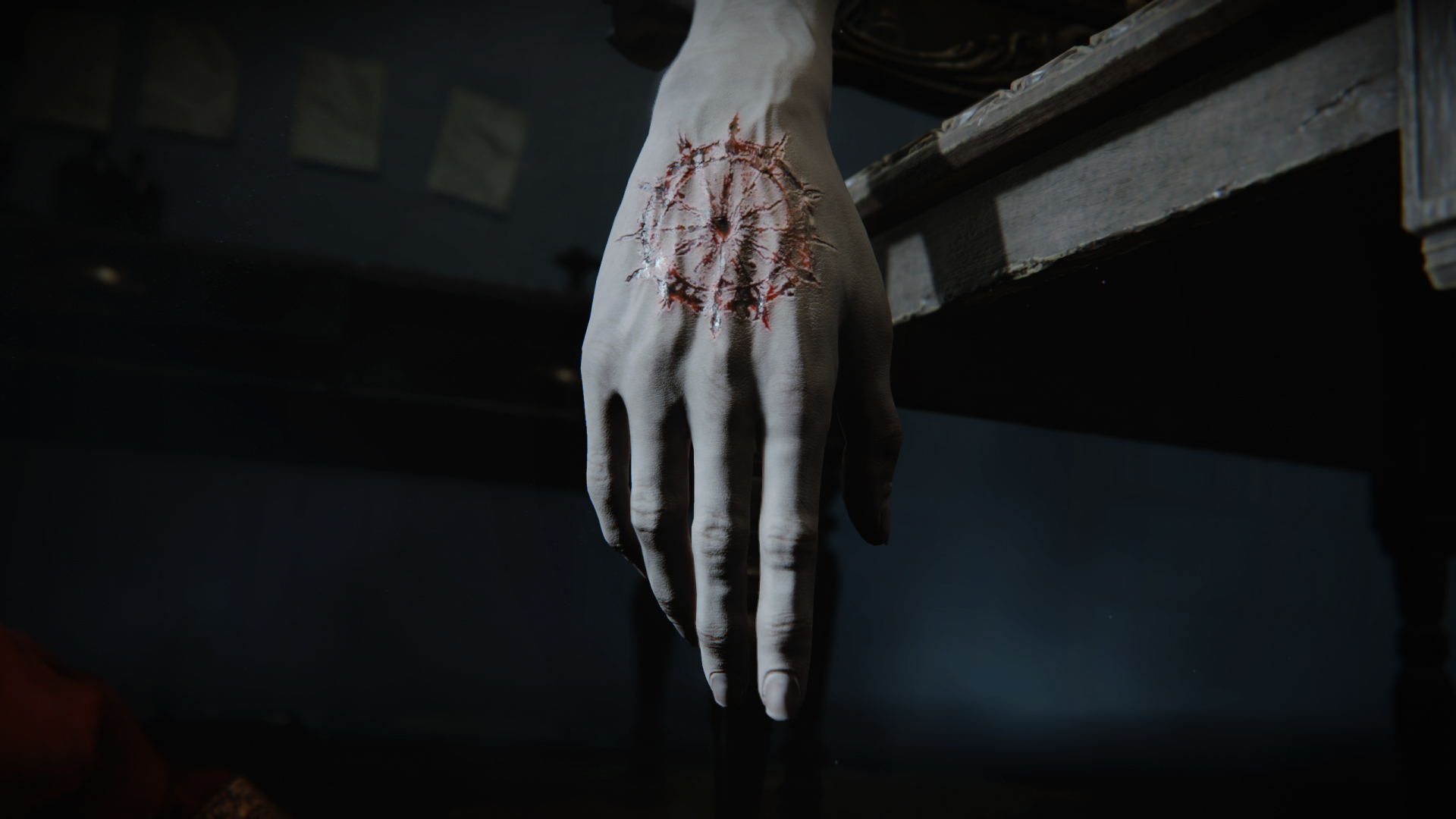
Victory Points (VP) are the clearest official answer to a question every preview audience asks: how does a FromSoftware PvPvE match decide a winner when players can duel, farm the environment, chase roles, and chase First Blood at the same time? In Nintendo’s Creator’s Voice series, director Hidetaka Miyazaki places VP at the centre of match resolution. Direct combat matters, but it is not the only path. This page isolates what is confirmed, what remains unknown ahead of the August 2026 Closed Network Test, and how you should prepare a scoring mindset for Switch 2 sessions.
Why Victory Points exist in The Duskbloods
The Duskbloods is not marketed as a pure deathmatch. Up to eight Bloodsworn share maps that also host CPU threats, dynamic events, and alternate finish conditions. If kills alone decided every lobby, opportunistic play and temporary alliances would collapse into endless spawn camping. VP gives designers a dial: reward eliminations, but also reward timing, map control, PvE contribution, and role completion so that different builds and risk appetites remain viable.
Miyazaki’s language is deliberate. Players may prefer to avoid direct combat and still earn points through opportunistic behaviour. That sentence is the design thesis for this page. Treat VP as permission to play a scoring route, not only a damage route, when you enter a Dusk Battle.
Confirmed pillars versus unconfirmed weights
Confirmed by official messaging
- VP ultimately decides match outcomes in the framing Miyazaki describes.
- Direct combat is an important source, not the exclusive source.
- Opportunistic play can accumulate VP without constant duel commitment.
- Some modes use last-player-standing; others can resolve around boss defeat or comparable PvE finishers.
- After every match, Bloodsworn return to the hub with rewards win or lose, then reinvest into customization.
Still unconfirmed until hands-on data
- Exact VP values for kills, assists, damage, survival ticks, event objectives, or role payouts.
- Whether First Blood is a separate meter, a VP multiplier, or a narrative label for the winning placement.
- Whether VP is visible live on a leaderboard, revealed only at extract, or shown as interim milestones.
- Soft caps, diminishing returns, or anti-farming rules against endless PvE loops.
Do not trust community spreadsheets that invent coefficients before the CNT. Record what the UI actually shows during your sessions and feed those notes into Guides and the Tier List only when they are reproducible.
Direct combat as a VP engine
Eliminations and pressure still matter. Firearms, melee kits, and summons create kill windows that likely convert into VP—and into map control that enables later opportunistic plays. The trap is tunnel vision: burning a summon and all healing to win a mid-map duel can leave you unable to contest an event that pays more than the frag was worth.
Practical combat-for-VP habits before numbers exist:
- Prioritise clean picks over 50/50 brawls when third parties are nearby.
- Track ammo, cooldowns, and vertical escape routes as scoring resources, not only survival tools.
- Use movement and combat tools—sprint, super jump, double jump—to disengage once a VP opportunity is secured.
- Remember Destined Rivals may force suboptimal fights; budget VP elsewhere if a rival chase is mandatory.
Opportunistic scoring without becoming passive
Opportunistic play is not AFK camping. It means reading when the lobby’s attention is elsewhere—two Bloodsworn duelling, a boss telegraph starting, an event icon lighting up—and converting that attention gap into points. Likely opportunistic vectors include:
- Securing event objectives while rivals trade damage elsewhere (Events).
- Clearing or tagging PvE packs that gate bonus rewards or map rotations.
- Completing Destined Companion rendezvous for a payout that pure duelists ignore.
- Positioning for boss execute credit when a mode allows a PvE finisher.
- Surviving a collapse phase in last-player-standing formats when VP or placement weights longevity.
Build planning should include at least one low-duel scoring path. See Early build ideas and Hub customisation for fate and blood-history choices that may emphasise mobility, summons that clear adds, or role-friendly kits.
How VP interacts with First Blood and roles
First Blood is the ritual prize of the Twilight of Humanity—marketing leans on moontears flowing for a singular outcome. VP is the mechanical language that often produces that outcome. They may align perfectly in simple LMS matches, or diverge when a mode pays heavy VP for boss participation while First Blood flavour text still crowns a ritual victor.
Roles complicate the spreadsheet further. A Destined Rival kill may be worth more than a random elimination; a Destined Companion reward may be pure VP, a hub item, or both. Until Nintendo shows the UI, treat roles as mandatory side quests that can swing placement even when your kill count looks average. Cross-read How to use roles before your first selected CNT lobby.
Match formats that change VP strategy
Last-player-standing
LMS rewards players who convert mid-match VP into endgame resources. Early greed that empties your kit can erase a points lead when the final circle starts. Save summons and vertical escapes for the collapse.
Boss or alternate PvE finishers
When a boss can settle the match, VP strategy shifts toward damage uptime, add control, and betrayal timing. Temporary alliances form to drop the boss, then dissolve the moment execute ranges open. Bring kits that can both contribute and disengage—pure duelists who refuse PvE may finish with strong frags and a lost lobby.
Event-heavy rotations
If a playlist leans on dynamic events, map literacy from the Maps hub becomes a VP skill. Knowing which gothic alley or train platform hosts the next objective is worth more than memorising a fake damage table.
Preparing a VP notebook for the Closed Network Test
Applications closed in late July 2026; selection lands August 7, preload August 18, live windows August 21–23. If you are selected, treat every session as a scoring lab:
- Screenshot any VP, placement, or contribution panels after matches.
- Note whether roles, events, and boss participation appear as line items.
- Compare two runs of the same Bloodsworn—one duel-focused, one opportunistic—and record placement, not vibes.
- Log whether rewards scale with VP rank even on losses (hub loop promises something either way).
Use Network Test, after selection, preload, and the CNT checklist so download friction does not steal lab time. Convert session clocks with the timezone tool.
Related reading
- PvPvE rules — broader pressure model that VP sits inside
- How to play PvPvE — practical match flow for first lobbies
- Gameplay hub — all systems at a glance
- Creator’s Voice news — interview context for opportunistic design
- Duskbloods vs Nightreign — why co-op Nightreign scoring lessons do not fully transfer
Frequently Asked Questions
Quick answers drawn from official Network Test and Creator’s Voice details.
What are Victory Points in The Duskbloods?
Victory Points are the official scoring system Miyazaki describes as deciding match outcomes. Combat helps, but opportunistic and PvE play can also earn VP.
Can I win a match without the most kills?
Yes in principle. Official messaging highlights opportunistic VP routes and modes that are not pure kill races. Exact thresholds await Network Test confirmation.
Do Victory Points replace First Blood?
No. First Blood is the ritual prize of the Twilight of Humanity. VP is the mechanical language that often produces who claims that outcome.
Will CNT progress from VP carry to the full game?
Official materials state Closed Network Test save data will not carry to the retail 2026 release. Use CNT VP notes for learning, not permanent progression.
Where should I track VP findings after August sessions?
Update notes through [Gameplay](/gameplay/), [Guides](/guides/), and eventually [Tier List](/tier-list/) once sources are reproducible—never invent coefficients.